

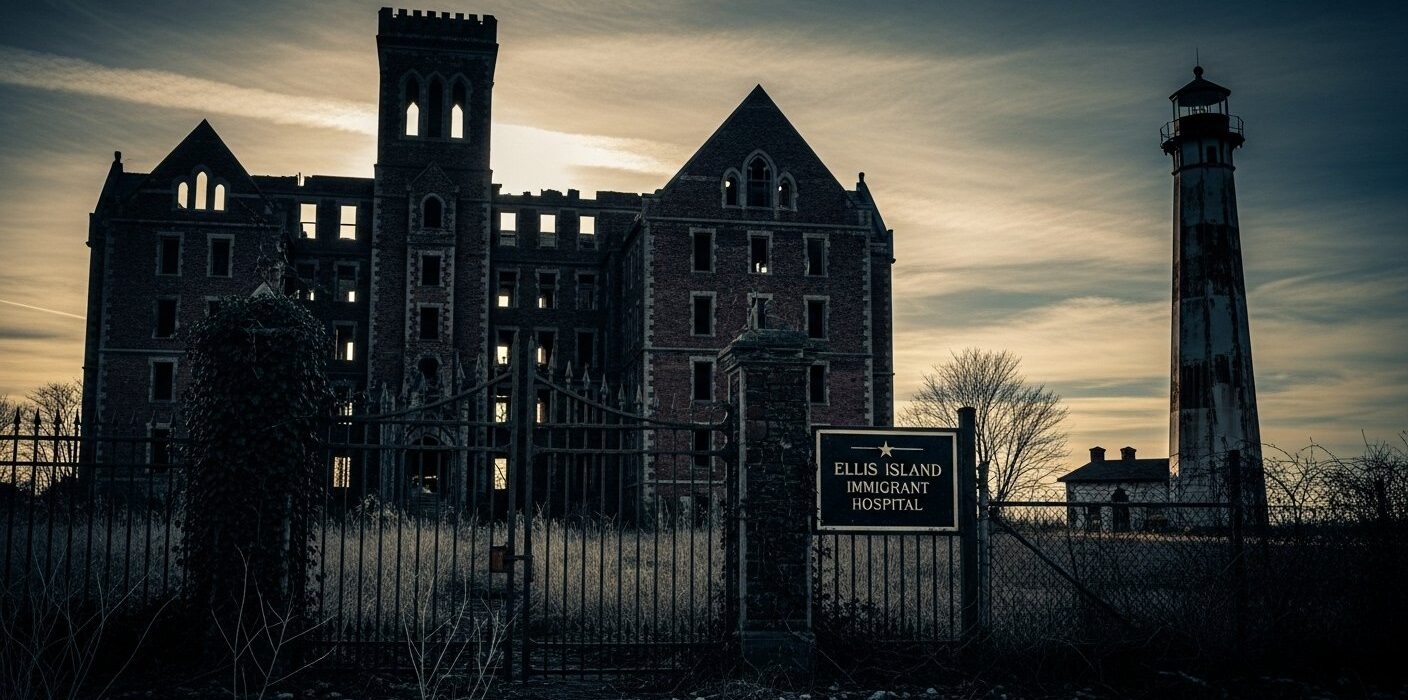
When we think of American history, iconic places like the Statue of Liberty, Mount Rushmore, or Independence Hall usually come to mind. But scattered across the country are forgotten U.S. landmarks that once shaped the nation’s identity, politics, and culture. These overlooked sites may not make it onto most travel lists today, but their stories reveal fascinating chapters of American history.
Why Forgotten Landmarks Still Matter
History is more than the big monuments we all recognize. Some of the most pivotal events in U.S. history unfolded in places that time has nearly erased. Forgotten landmarks often tell stories of innovation, struggle, and resilience—reminding us that the past is never as simple as it seems. Exploring these places not only connects us to the nation’s roots but also uncovers perspectives often missing from mainstream narratives.
1. Cahokia Mounds, Illinois – The Ancient American City
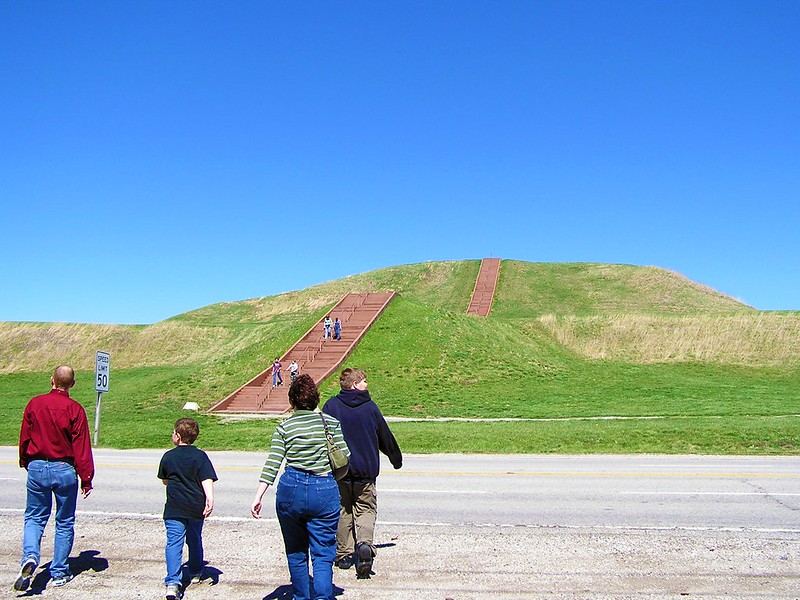
Long before Columbus, a thriving Native American metropolis stood across the Mississippi River from present-day St. Louis. The Cahokia Mounds are remnants of the largest pre-Columbian city in North America, once home to as many as 20,000 people. The massive earthen structures reflect advanced urban planning and a complex society, but most Americans have never heard of them. Today, Cahokia is a UNESCO World Heritage Site, yet it remains a forgotten U.S. landmark that redefines how we think about early America.
2. The Liberty Bell’s Secret Journey, Pennsylvania
Everyone knows the Liberty Bell, but few remember that during the Revolutionary War it was hidden in Allentown, Pennsylvania, to keep it safe from British troops. The “Liberty Bell Shrine” marks the church basement where this symbol of freedom was concealed. Without this quick thinking, one of America’s greatest icons might have been melted down for cannon fire.
3. Centralia, Pennsylvania – The Town That Burned Away

Centralia was once a bustling coal town until a mine fire ignited beneath the ground in 1962. The blaze still burns today, forcing residents to abandon the town. Roads cracked open with smoke rising from below, creating an eerie ghost town that tells a haunting story about industrial mistakes and government inaction. Centralia stands as a chilling landmark of caution—a place where history literally smolders beneath the surface.
4. The Old Slave Mart, South Carolina
In Charleston, hidden among charming streets and pastel buildings, stands The Old Slave Mart Museum. Once a site where enslaved people were bought and sold, it is a stark reminder of America’s darkest chapter. While not as famous as other historic locations, the Old Slave Mart represents the untold human cost behind the nation’s wealth. Preserving such places ensures that history is remembered, not rewritten.
5. The Stonewall Inn, New York
Tucked into Manhattan’s Greenwich Village, the Stonewall Inn was the spark of the modern LGBTQ+ rights movement in 1969. The Stonewall Riots transformed social movements across the U.S., yet many still pass the bar without knowing its history. Designated as a national monument in 2016, this landmark stands as proof that ordinary spaces can ignite extraordinary change.
6. Fort Jefferson, Florida – The Prison of a President’s Assassin
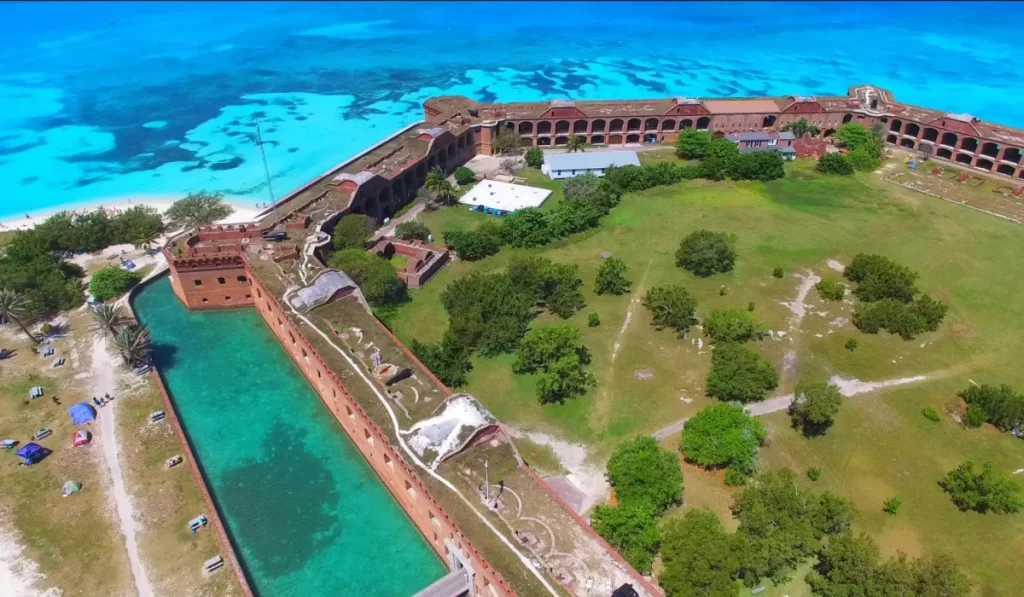
Deep in the Dry Tortugas lies Fort Jefferson, one of America’s largest coastal forts. It once imprisoned Dr. Samuel Mudd, who treated John Wilkes Booth after Abraham Lincoln’s assassination. Though remote and often overshadowed by more famous Civil War sites, Fort Jefferson played a critical role in post-war justice and military strategy.
Why We Forget—and Why We Shouldn’t
Forgotten landmarks fade for many reasons: urban development, shifting national priorities, or simply the passage of time. But neglecting them risks erasing essential parts of the American story. By rediscovering these places, we keep history alive—honoring the struggles, triumphs, and lessons that shaped the United States.
Final Thoughts
The forgotten landmarks of the United States prove that history is never confined to textbooks or popular monuments. From Native American cities to ghost towns and hidden symbols of freedom, these places continue to influence how we see ourselves as a nation. The next time you plan a trip, consider stepping off the beaten path—you might just walk into history.