
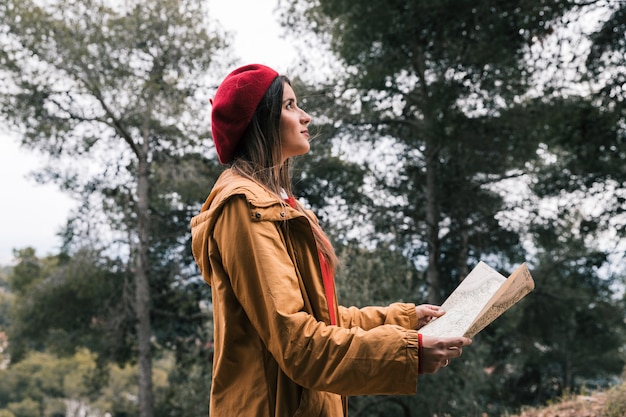
When GPS batteries die, compasses break, or maps are lost, your ability to read nature itself can mean the difference between wandering aimlessly and finding your way to safety. For thousands of years, explorers, hunters, and survivalists relied on the sun, wind, and terrain to guide them. Learning these natural navigation techniques is an essential skill for any survivalist, prepper, or outdoor enthusiast.
1. Using the Sun as Your Compass
The sun is the most reliable guide in the sky:
- East & West Basics
- The sun rises roughly in the east and sets in the west.
- At noon in the Northern Hemisphere, the sun is generally to the south; in the Southern Hemisphere, it’s to the north.
- Stick Shadow Method
- Place a stick vertically in the ground.
- Mark the tip of the shadow with a stone.
- Wait 15–20 minutes, then mark the new shadow tip.
- Draw a line between the two points: this gives you an approximate east–west line.
2. Wind Clues: Nature’s Subtle Guide
Wind isn’t random — it often follows patterns you can use:
- Prevailing Winds
In many regions, wind blows mostly from a consistent direction (for example, west-to-east in much of North America). Knowing the common wind direction in your area can be a navigation clue. - Clues in Nature
- Trees may lean slightly with consistent winds.
- Snow may pile on one side of trees or rocks.
- Sand dunes and ripples in deserts often form with the windward and leeward sides clearly visible.
Use wind direction together with other methods for accuracy.
3. Terrain & Landscape Signs
Nature leaves breadcrumbs — if you know how to spot them.
- Vegetation Growth
- Moss often grows thicker on the north-facing side of trees in the Northern Hemisphere (reverse in the Southern Hemisphere).
- Snow tends to linger longer on north-facing slopes since they get less sun.
- Water Flow
- Rivers and streams usually flow downhill to larger bodies of water. Following water often leads to civilization.
- In mountainous regions, valleys and ridgelines can naturally guide you.
- Animal Trails
- Game trails often lead to water sources.
- Birds flying low at dawn or dusk may be heading toward water or roosting areas.
4. Night Navigation: Reading the Stars
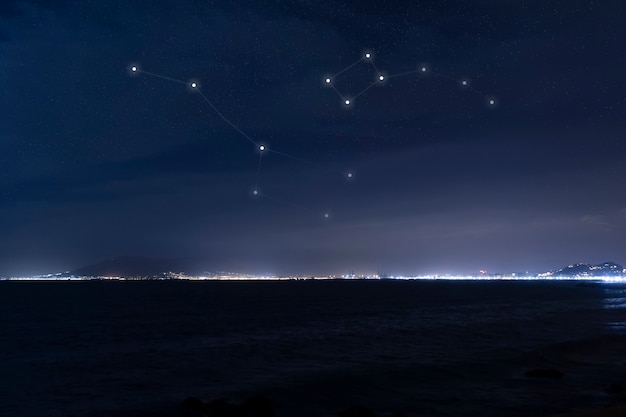
If you’re caught after dark:
- The North Star (Polaris)
- In the Northern Hemisphere, find the Big Dipper. Use the two stars on the end of its “bowl” to point straight to Polaris, which indicates north.
- Southern Cross
- In the Southern Hemisphere, the Southern Cross constellation points roughly toward south when extended along its long axis.
5. Combining Multiple Signs
Natural navigation is most reliable when you use two or more indicators together:
- Example: If the sun is setting in the west, and you notice moss on one side of the trees lining up, you’ve got confirmation.
- Terrain, water flow, and vegetation should all be cross-checked to avoid mistakes.
6. Practice Before You Need It
Don’t wait until you’re lost to learn these skills.
- Try short hikes without GPS, using only sun and terrain clues to navigate.
- Note how wind patterns shift in your local area throughout the year.
- Learn to identify major constellations visible in your region.
Final Thoughts
Natural navigation is about observation and awareness. By learning to read the sun, wind, and terrain, you’re developing a timeless survival skill that could one day save your life.
Rely on technology when you have it, but trust in nature when all else fails — the signs are always there if you know how to read them.