

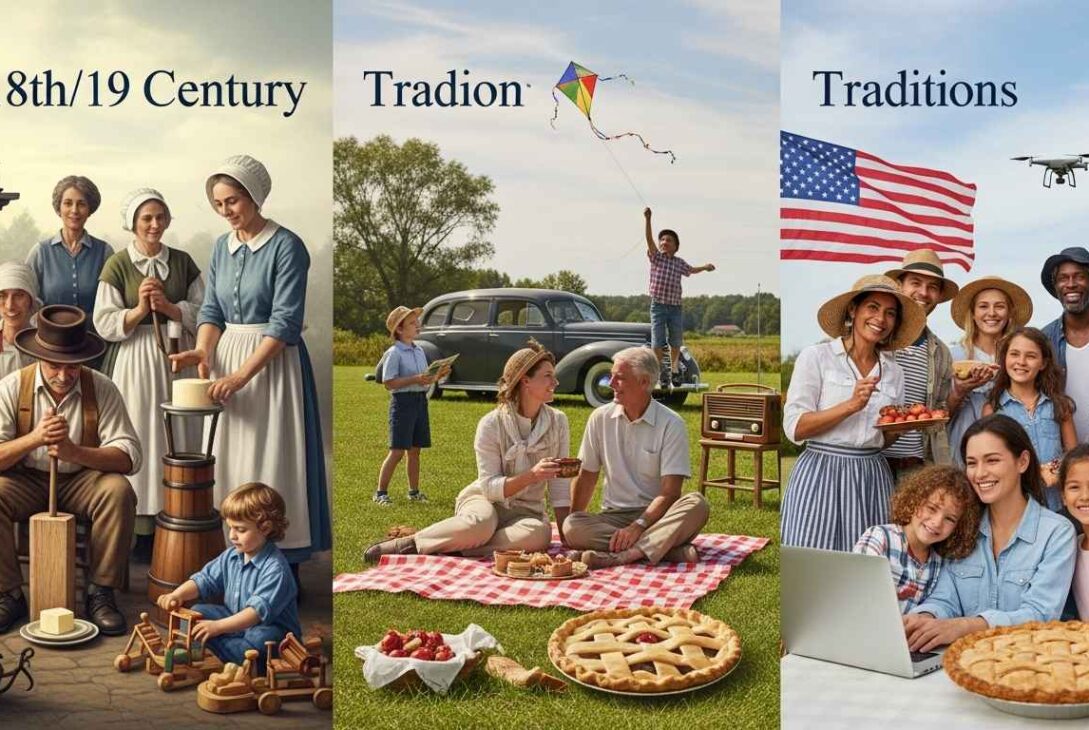
America is often described as a melting pot—a nation built by immigrants from diverse backgrounds, each bringing their own traditions, values, and customs. Over time, these influences have intertwined to create uniquely American practices, blending old-world rituals with new-world innovation. From holidays to daily habits, understanding the evolution of American traditions reveals much about the country’s identity, history, and culture.
Holidays: From Colonial Roots to Modern Celebrations
Many of today’s American holidays have origins in early colonial practices. Thanksgiving, for instance, began as a harvest festival shared between Pilgrims and Native Americans. Over centuries, it has evolved into a national celebration centered around family gatherings, feasts, and gratitude.
Similarly, Independence Day started as a commemoration of the Declaration of Independence in 1776, marked with speeches and small local events. Today, it’s celebrated nationwide with fireworks, parades, and barbecues—a reflection of both patriotism and communal leisure.
Holidays have also adapted to societal changes. Halloween, originally a Celtic festival marking the end of the harvest season, has become a family-centered, commercialized celebration of costumes, candy, and community fun. This transformation shows how customs evolve while retaining elements of their original meaning.
Food and Dining Traditions
American culinary traditions have shifted dramatically over time, influenced by immigration, regional resources, and technological advancements. Early settlers relied on local produce, grains, and preserved foods. The arrival of European, African, and Asian immigrants introduced new flavors, spices, and cooking techniques.
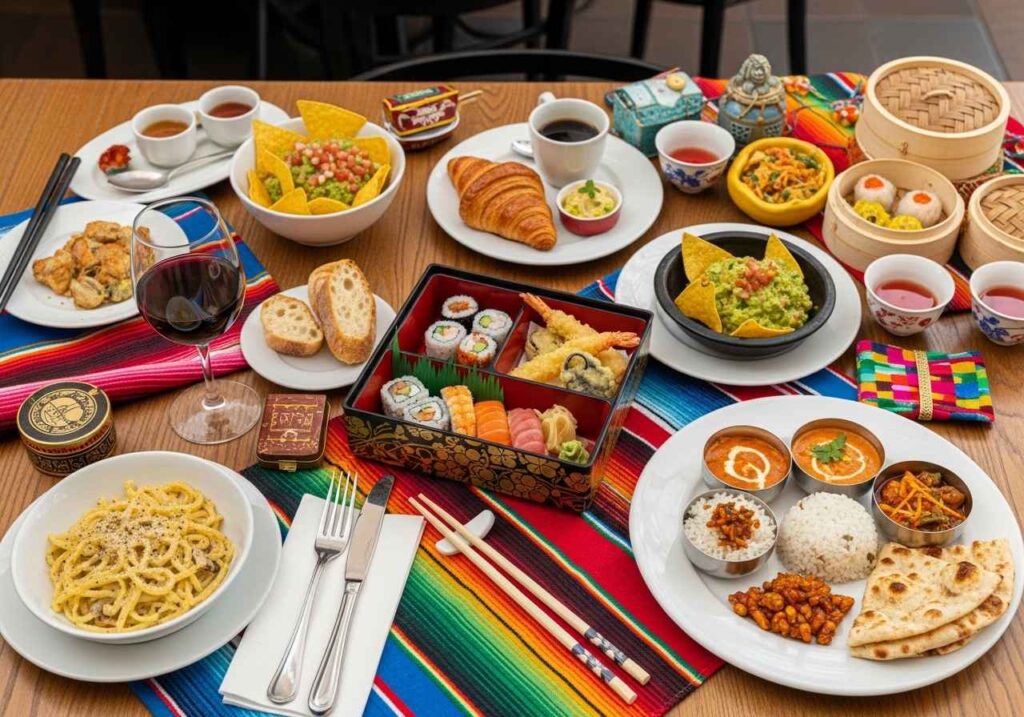
The Thanksgiving turkey, the Christmas ham, and barbecue traditions in the South all reflect this evolving culinary heritage. Fast food, once a symbol of convenience in the 20th century, has become an iconic part of American dining culture, while farm-to-table and organic movements highlight a return to tradition with a modern twist.
Food customs also shape social interactions. Sunday family dinners, potlucks, and holiday feasts foster connection and community—a practice rooted in both European and indigenous influences but continually adapting to contemporary lifestyles.
Clothing and Fashion
American clothing traditions have mirrored both practicality and self-expression. In colonial times, clothing was largely utilitarian, reflecting climate, work, and social status. Over time, fashion trends—often imported from Europe—began to influence American style.

In the 20th century, clothing became a form of identity and rebellion. Denim jeans, baseball caps, and sneakers emerged as everyday attire, blending comfort, status, and subcultural expression. Holidays, work attire, and ceremonial dress have also evolved, balancing tradition with contemporary sensibilities.
Fashion today reflects America’s ongoing cultural evolution: a mix of casual convenience, personal expression, and nods to historical roots, illustrating the fluidity of customs over time.
Social and Family Customs
Family structures and social customs in America have evolved alongside broader societal shifts. Colonial America emphasized extended families and communal living. Industrialization prompted the rise of nuclear families, with changing roles for men and women in both home and work life.
Today, family dynamics continue to evolve, with blended families, dual-income households, and multicultural households reflecting the nation’s diversity. Customs surrounding marriage, parenting, and social gatherings have adapted, showing how traditions respond to changing societal needs while preserving the core values of connection and community.
Religion and Spiritual Practices
Religion has played a significant role in shaping American traditions. Puritan influences, Catholic feast days, and Jewish and Muslim observances have all contributed to public holidays, rituals, and moral frameworks. Over time, spiritual practices have diversified, and secular celebrations have grown alongside religious observances.
Modern American society often blends religious and secular elements in public life—Christmas trees in town squares, Thanksgiving gratitude rituals, or New Year’s celebrations—demonstrating the adaptability of traditions to reflect broader cultural values.
Conclusion
The evolution of American traditions and customs illustrates a dynamic interplay between heritage, innovation, and societal change. From holidays and food to fashion and family structures, traditions are not static—they adapt, absorb, and transform over time.
Understanding this evolution provides insight into America’s cultural identity, highlighting the nation’s ability to honor its past while embracing new influences. In every meal shared, every holiday celebrated, and every custom practiced, the story of America’s rich and ever-changing heritage continues to unfold.