
Between 1916 and 1970, over six million African Americans left the rural South and moved northward and westward in what became known as The Great Migration. It was one of the largest internal movements of people in U.S. history — and it reshaped the country’s social, cultural, and political landscape in profound ways.
A Journey Toward Opportunity
The roots of the Great Migration lay in the harsh realities of life in the segregated South. African Americans faced Jim Crow laws, racial violence, and limited economic prospects tied to sharecropping and agricultural labor.
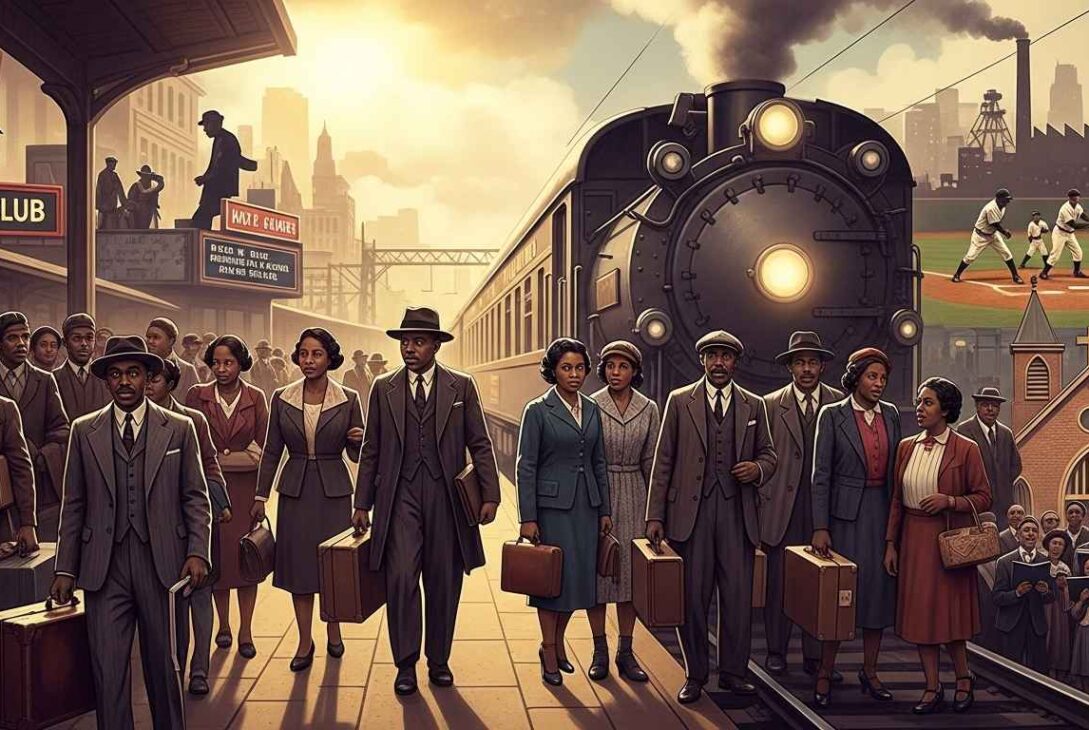
World War I created new industrial opportunities in northern cities like Chicago, Detroit, and New York. Factories needed workers, and recruiters actively encouraged Black Southerners to make the move. Trains heading north became symbols of hope — carrying families determined to start new lives.
New Cities, New Identities
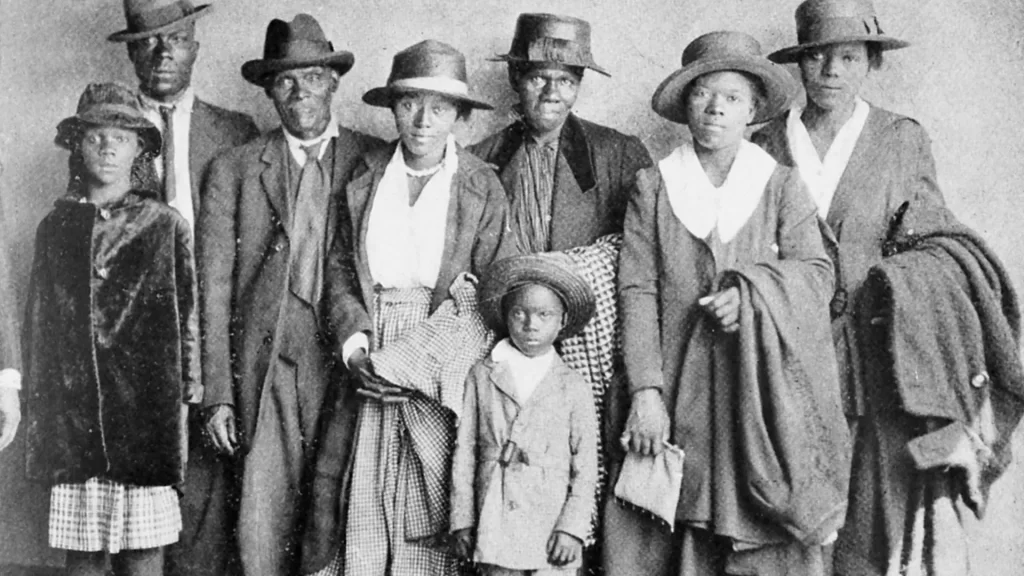
As millions arrived in urban centers, entire neighborhoods transformed. Harlem in New York became the beating heart of a new cultural revolution — the Harlem Renaissance — giving rise to iconic figures like Langston Hughes, Zora Neale Hurston, and Duke Ellington.
Black churches, newspapers, and businesses flourished, helping communities build new forms of identity and pride. The migration not only changed where people lived, but also how they saw themselves — as part of a growing, empowered movement shaping modern America.
A Cultural Ripple Effect
The Great Migration didn’t just influence art and literature — it redefined American culture. Jazz and blues, born in the South, spread nationwide, transforming popular music. The infusion of new voices in cities across the country gave rise to fresh political activism and civil rights leadership.
Even northern politics shifted. African Americans gained voting power, helping to influence elections and push for social change.
The Legacy Lives On
By the time the Great Migration slowed in the 1970s, America had been transformed. Cities looked different. Sounds, stories, and social movements had blended into a new national identity — one rooted in resilience, creativity, and the pursuit of equality.
Today, historians view the Great Migration not just as a movement of people, but as a movement of ideas — a turning point that shaped modern America’s culture, music, politics, and spirit.