

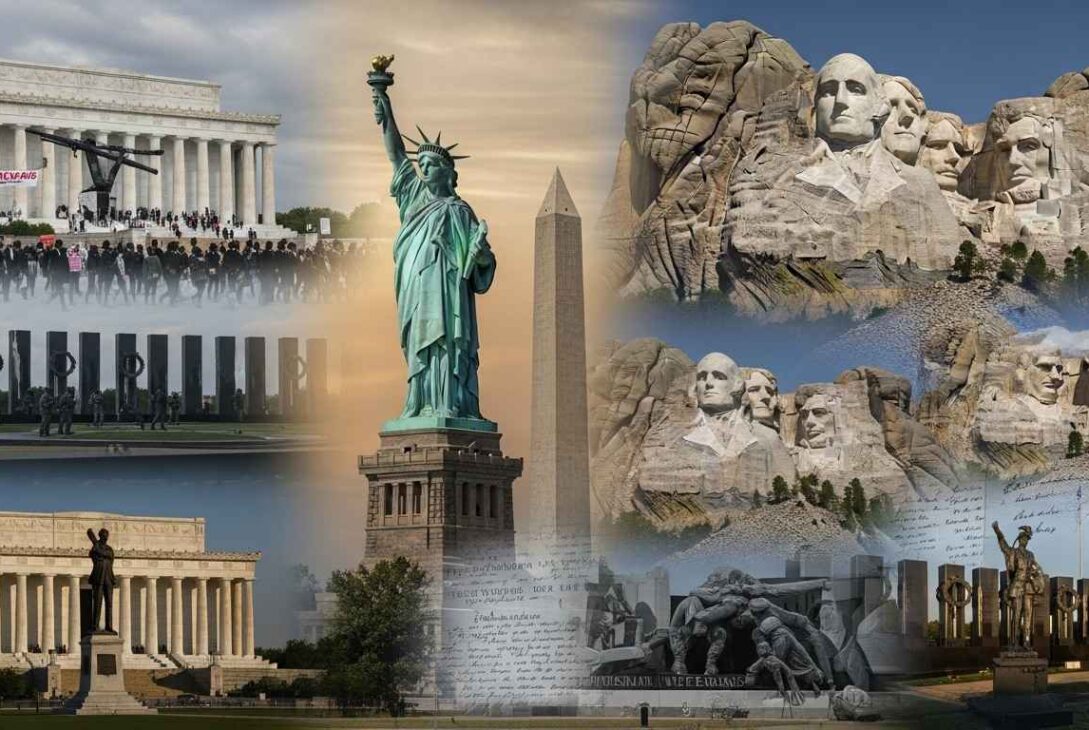
America’s monuments are more than just stone and bronze—they are powerful symbols of history, culture, and collective memory. From the soaring Statue of Liberty to the solemn Lincoln Memorial, these landmarks tell stories that are celebrated, but many of their lesser-known tales remain hidden beneath the surface. Exploring the untold stories behind America’s monuments offers a richer understanding of the people, events, and struggles that shaped the nation.
1. The Statue of Liberty: More Than a Welcome Symbol
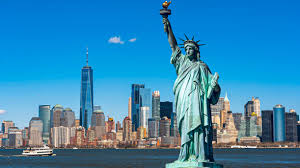
While the Statue of Liberty is widely recognized as a beacon of freedom, its history includes complex layers. Gifted by France in 1886, the statue was originally intended to celebrate the centennial of American independence. Yet, it also symbolizes the strong ties between French and American revolutionary ideals. What many don’t know is that the statue’s original design included broken chains at its feet, representing the abolition of slavery—a subtle but powerful message about liberty and justice.
2. Mount Rushmore: A Contested Legacy
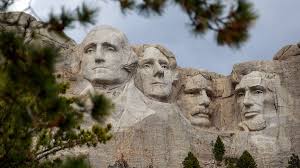
Mount Rushmore features the faces of George Washington, Thomas Jefferson, Theodore Roosevelt, and Abraham Lincoln, carved into South Dakota’s Black Hills. While it stands as a monumental tribute to American leadership, the site is deeply controversial. The Black Hills are sacred to the Lakota Sioux, and the land was taken from them in violation of treaties. This hidden history reflects the broader tensions between national commemoration and indigenous rights.
3. The Lincoln Memorial: A Stage for Change

The Lincoln Memorial in Washington, D.C., is more than a tribute to the 16th president—it has been a backdrop for pivotal moments in civil rights history. Most famously, Martin Luther King Jr. delivered his iconic “I Have a Dream” speech on its steps in 1963. Beyond its neoclassical design and impressive statue, the memorial has served as a symbol of hope, protest, and the ongoing struggle for equality, linking past leadership to modern activism.
4. The Vietnam Veterans Memorial: A Controversial Reflection
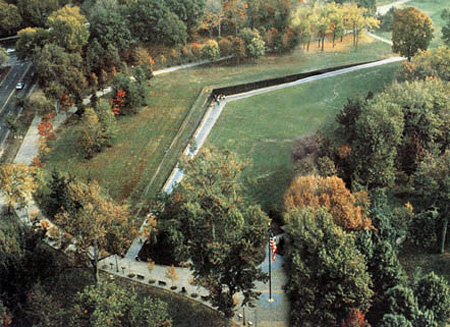
Unlike traditional heroic statues, the Vietnam Veterans Memorial, designed by Maya Lin, is a reflective black granite wall engraved with the names of over 58,000 fallen soldiers. Initially criticized for its unconventional design, the memorial now stands as a solemn and contemplative space. Its reflective surface allows visitors to see themselves alongside the names, creating a personal and emotional connection to history—a narrative that extends beyond politics or victories.
5. Jefferson Memorial: A Reflection of Contradictions
The Jefferson Memorial honors Thomas Jefferson, author of the Declaration of Independence and a key architect of American democracy. Yet, his legacy includes the ownership of enslaved people, raising difficult questions about liberty and equality. The memorial, with its domed rotunda and stately columns, encapsulates the tension between Jefferson’s ideals and the contradictions of his life, reminding visitors that history is rarely simple or straightforward.
6. Monuments as Storytellers
Monuments are not just reminders of triumph—they are storytellers of struggle, controversy, and transformation. They reveal the ambitions, fears, and values of the eras in which they were created. Many monuments also reflect ongoing debates about representation, memory, and who gets to be remembered in public spaces. These untold stories provide context that enriches our understanding of history and encourages critical reflection.
7. Hidden Messages and Symbolism
From subtle inscriptions to architectural design choices, many monuments contain hidden symbolism. For example, the Washington Monument’s obelisk references ancient Egyptian structures symbolizing immortality, while the placement of memorials in relation to one another in Washington, D.C., reflects intentional narratives about leadership, power, and history. Understanding these details allows visitors to see monuments as more than decorative structures—they are texts waiting to be read.
Conclusion
America’s monuments are windows into the nation’s past, offering glimpses of triumph, struggle, and contradiction. By exploring the untold stories behind these landmarks, we gain a deeper appreciation for the complexities of history and the diverse perspectives that have shaped the country. The next time you visit a monument, take a moment to look beyond the surface—the stories etched in stone, bronze, and memory may surprise you, challenge you, and inspire you.