

For those on the move or in a survival situation along a coastline, the ocean isn’t just a source of fish; it’s a vast, untapped garden of nutrient-rich food. While the idea of eating seaweed might sound foreign, it has been a dietary staple for coastal communities for thousands of years. From the kelp forests of the Pacific to the rocky shores of the Atlantic, edible seaweeds are a readily available and surprisingly nutritious food source. Learning to identify, harvest, and prepare them is a crucial survival skill that can provide essential vitamins and minerals when other food options are scarce.
Why Seaweed is a Survival Superfood
Seaweeds, which are a type of marine algae, are packed with more nutrients than most land vegetables.
- Mineral-Rich: They are an excellent source of essential minerals like iodine, iron, calcium, and magnesium. Iodine, in particular, is vital for thyroid function and is often lacking in a wild-foraged diet.
- Vitamins: Seaweeds contain a wide range of vitamins, including Vitamin A, C, B vitamins, and even B12, which is rarely found in plant-based foods.
- Fiber and Protein: Many seaweeds are high in fiber, which aids in digestion, and they also contain a decent amount of protein.
The Golden Rules of Seaweed Foraging
Just like foraging for mushrooms or berries, there are strict rules to follow to ensure you are harvesting safely and responsibly.
- Positive Identification is Key: While most seaweeds are edible, some can be unpleasant or, in a few rare cases, contain acids that can cause stomach upset. Stick to the most common and easily identifiable species.
- Harvest from Clean Water: Seaweeds are filter feeders and can absorb pollutants from the water. Only harvest from clean, unpolluted coastlines away from industrial areas, runoff, or other contaminants.
- Harvest Safely: Always consult tide tables and be mindful of your footing on slippery rocks. Use a knife or scissors to cut the seaweed from its base, leaving the “holdfast” (the part that attaches it to the rock) intact. This allows the seaweed to regrow. Never pull the entire plant out.
- Avoid Washed-Up Seaweed: The best practice is to only harvest seaweed that is still attached to the rocks. Seaweed that has washed up on the beach could be old, contaminated, or simply not as fresh.
Common and Easily Identifiable Edible Seaweeds
For a beginner, it’s best to start with a few widely recognized and safe varieties.
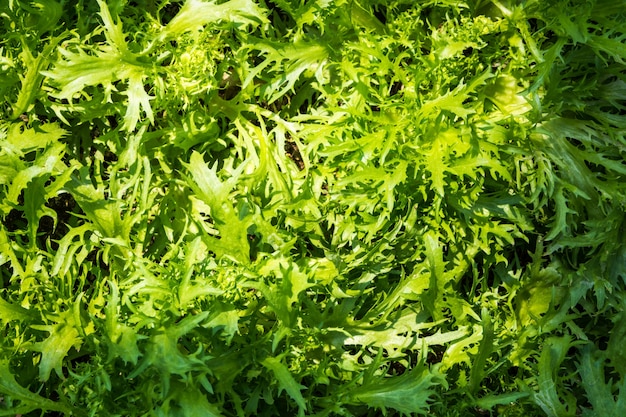
- Sea Lettuce (Ulva lactuca): This bright green, translucent seaweed looks exactly like a piece of leafy lettuce. It is a fantastic source of iron and is great in salads or soups.
- Dulse (Palmaria palmata): A reddish-purple seaweed with a soft, leathery texture. It has a savory, almost smoky flavor and is a great addition to stews or can be dried and eaten as a salty snack.
- Bladderwrack (Fucus vesiculosus): A brown seaweed with small, air-filled bladders along its fronds. It is very high in iodine and can be added to soups or used to flavor dishes.
- Nori (Porphyra spp.): While most people know this from sushi, it can be found in the wild. It is a thin, purplish-red seaweed that grows on rocks and is excellent toasted or dried.
Preparing and Eating Seaweed
Many seaweeds can be eaten raw right off the rocks (after a quick rinse in the ocean), but cooking and preparation can improve their flavor and texture.
- Rehydrate: Dried seaweeds can be rehydrated in water and will expand significantly.
- Cooking: Add seaweed to soups, stews, and broths. It adds a wonderful depth of flavor, known as umami.
- Drying: Most seaweeds can be dried in the sun or by a fire, which allows for long-term storage. Once dried, they can be rehydrated or crushed into a powder to be used as a seasoning.
The next time you find yourself at the coast, don’t just look for what’s swimming in the water. Look down at the rocks and discover the incredible, edible resources that are right at your feet.