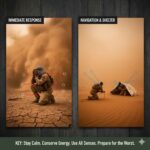

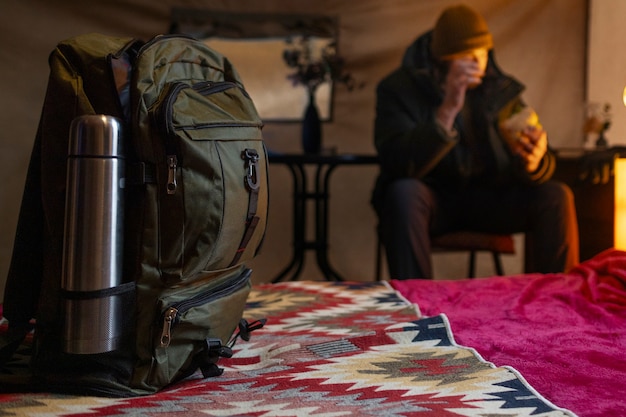
A tactical operator is always prepared, bro. He doesn’t wait for a disaster to strike; he’s already packed and ready to go. A 72-hour Bug-Out Bag (BOB) is your mission-critical insurance policy against the unexpected. It’s a self-contained kit with everything you need to survive for three days, giving you enough time to get to safety or wait for rescue. Building one isn’t about paranoia; it’s about being a smart, disciplined operator who’s ready for anything.
Your mission: to build a go-bag that is a blueprint for your survival.
The Tactical Imperative: Why 72 Hours Matters
The “Rule of Threes” is a mission-critical part of any survival plan. You can survive for:
- 3 minutes without air.
- 3 hours without shelter in extreme conditions.
- 3 days without water.
- 3 weeks without food.
A 72-hour bug-out bag prioritizes your most immediate needs—water, shelter, and a means to protect yourself—to get you through the most dangerous initial phase of a disaster.
The Pillars of Your Bug-Out Bag
Your mission is to fill your bag with a few key categories of gear.
1. Water: Your Lifeline
Water is your most immediate need.
- The Tactic: Pack a few liters of water. More importantly, pack a water filter (like a Lifestraw or Sawyer Squeeze) and purification tablets. This will allow you to source and purify water on the move.
2. Food: The Fuel
You need enough food to sustain yourself for three days.
- The Tactic: Pack high-calorie, non-perishable food that takes up minimal space. Think protein bars, trail mix, dehydrated meals, and jerky. These are mission-critical foods that require no cooking.
3. Shelter & Warmth: The Groundwork
Shelter from the elements is your next priority.
- The Tactic: Pack a lightweight, waterproof tarp, an emergency thermal blanket, and a compact sleeping bag. Even a simple thermal blanket can make the difference between life and death.
4. First Aid: The Medical Kit
You need a basic medical kit to handle minor injuries.
- The Tactic: Your medical kit should include bandages, gauze, antiseptic wipes, medical tape, and any personal medications you need. This is a non-negotiable part of your bag.
5. Tools & Gear: The Arsenal
You need the right tools for the job.
- The Tactic: Pack a tactical knife, a multi-tool, and a headlamp with extra batteries. These are versatile tools that will serve a variety of purposes, from cutting cordage to building a fire.
6. Navigation & Communication: The Intel
You need to know where you’re going and how to communicate.
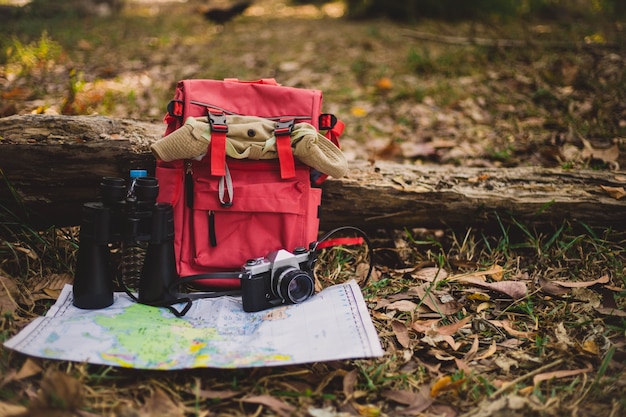
- The Tactic: Pack a physical map of your area and a compass. Don’t rely on your phone. Also, pack a hand-crank or solar-powered radio to get updates on the situation.
Mission-Critical Intel for Success
- Keep it Light: Your mission is to move. A heavy bag is a tactical liability. Pack only the essentials.
- Location: Your bug-out bag should be stored in an accessible location, like a closet near your front door or in the trunk of your car. It must be ready to go at a moment’s notice.
The Bottom Line: A bug-out bag isn’t about fear; it’s about preparation. By building a mission-critical kit, you ensure that no matter what the world throws at you, you have a tactical plan for survival.