
A tactical operator knows that the elements are a mission-critical threat, bro. Exposure to rain, wind, and cold can lead to a quick and fatal mission failure. According to the “Rule of Threes,” you can only survive for three hours in extreme conditions without shelter. Your ability to build a makeshift shelter is your most important defense against this threat. This isn’t about building a mansion; it’s a blueprint for building a temporary, life-saving fortress with a few simple materials.
Your mission: to construct a safe haven from the elements, quickly and efficiently.
The Tactical Imperative: Understanding Your Environment
Before you start building, your mission is to assess your environment. This tactical reconnaissance will determine the type of shelter you build and where you build it.
- The Location: Choose a spot that is elevated and well-drained. Avoid low-lying areas, which can collect cold air and water. Look for natural features like a large rock or a fallen log that can serve as a ready-made wall.
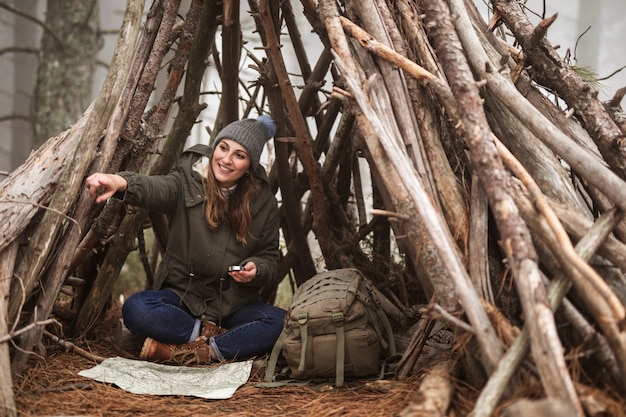
- The Materials: Your tactical arsenal is the wilderness itself. Look for large branches for your frame, smaller branches and twigs for your walls, and a massive amount of leaves, pine needles, or grass for insulation.
The Pillars of Your Shelter Protocol
Your mission is a simple, two-step assault: build the frame, and then add the insulation. We’ll focus on the Lean-To Shelter, a simple, effective design.
Phase 1: The Frame
This is your foundational mission.
- The Tactic: Find a large, sturdy log or a tree with a low branch that can serve as your ridgepole (the main beam). Prop it up with a strong branch or two.
- The Tactic: Gather a bunch of smaller branches and lean them against the ridgepole at a 45-degree angle. This will create the “roof” of your shelter. Make sure the branches are packed tightly together, leaving no gaps.
Phase 2: The Insulation
This is your most important mission. A shelter without insulation is a tactical failure.
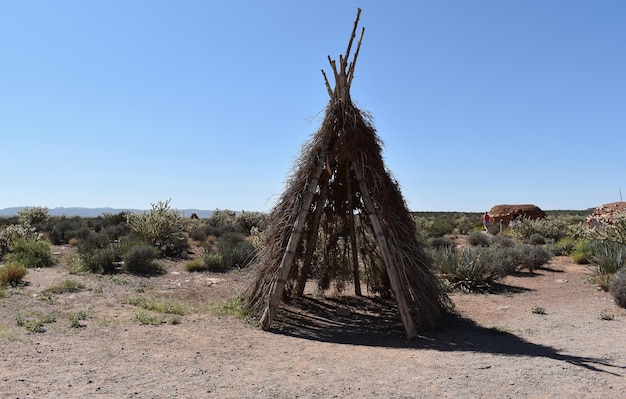
- The Tactic: Your mission is to pile as much debris as you can on top of your frame. Cover the entire structure with a thick layer of leaves, pine needles, or grass. A layer of at least two feet is mission-critical for effective insulation.
- The Tactic: Don’t forget to insulate the floor. A thick layer of leaves or pine needles on the ground will insulate you from the cold, damp earth and prevent a mission-critical loss of body heat.
Mission-Critical Intel for Success
- Speed is Key: Your mission is to get the shelter built before nightfall or before a storm hits. Don’t worry about it looking perfect.
- Small is Better: A smaller shelter is easier to build and easier to heat with your body heat. Don’t try to build a mansion.
The Bottom Line: The elements are a powerful enemy, bro. By mastering the art of emergency shelter construction, you can ensure that you are always protected from the cold, the wind, and the rain, and stay on mission.