

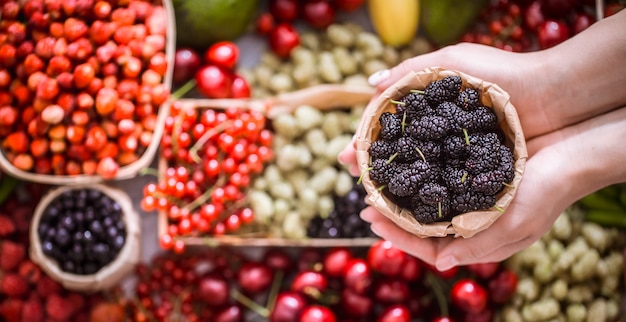
When you’re out in the wild, berries can look like nature’s candy — colorful, juicy, and tempting. But here’s the truth: while many wild berries are packed with nutrients and safe to eat, others can be toxic or even deadly. Knowing the difference can save your life in a survival situation.
1. Why Foraging Berries Can Be Risky
- Many edible and poisonous berries look very similar.
- A single handful of toxic berries can cause vomiting, diarrhea, hallucinations, organ failure, or worse.
- Survival rule: If you’re not 100% sure, don’t eat it.
2. Common Safe Berries in the Wild
🫐 Blueberries
- Small, blue-purple, grow in clusters.
- Sweet to tart taste.
- Packed with antioxidants and vitamins.
🍓 Wild Strawberries
- Tiny, red, heart-shaped, with seeds on the outside.
- Smell and taste just like smaller versions of garden strawberries.
🍇 Elderberries (cooked only)
- Dark purple clusters.
- Safe only when cooked (raw ones contain toxins).
- Often used in syrups and teas.
🍒 Mulberries
- Look like elongated blackberries.
- Found on trees, ranging from red to deep purple-black when ripe.
🫐 Blackberries
- Shiny black clusters with a sweet-tart flavor.
- Thorns often surround the bush.
3. Deadly or Toxic Berries to Avoid
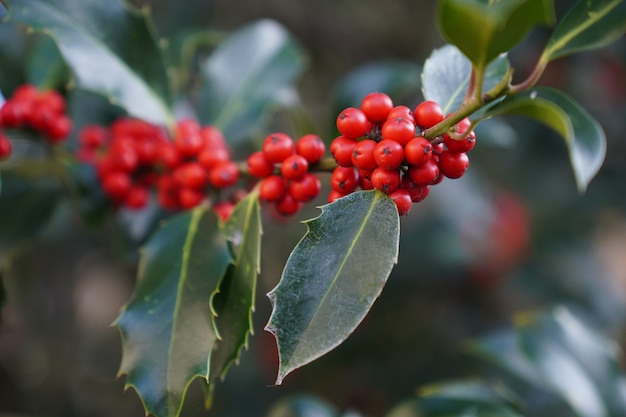
❌ Holly Berries
- Bright red, glossy, and tempting.
- Just a few can cause vomiting, diarrhea, and dehydration.
❌ Mistletoe Berries
- White or translucent.
- Contain toxins that affect the heart and nervous system.
❌ Yew Berries
- Red with a single seed inside.
- The flesh may look edible, but the seed is highly poisonous.
❌ Nightshade Berries (Deadly Nightshade / Belladonna)
- Shiny black-purple berries.
- Extremely toxic — historically used as poison.
❌ Pokeweed Berries
- Dark purple clusters.
- Toxic to humans at all stages, even when cooked.
4. Tips to Stay Safe While Foraging

- Learn local foraging guides for your region.
- Avoid berries with milky sap or a bitter/soapy taste.
- Birds can eat toxic berries safely — don’t copy animals.
- If unsure, use the Universal Edibility Test (but only in emergencies).
- Carry a small field guidebook or app for identification.
5. The Golden Rule of Foraging
- “When in doubt, leave it out.”
No amount of hunger is worth the risk of poisoning.
Final Thoughts
Foraging berries can be both rewarding and lifesaving — but it requires knowledge and caution. Stick to well-identified, common edible berries and always steer clear of anything suspicious. With practice, you’ll learn to recognize nature’s safe snacks while avoiding its deadly traps.
Visited 10 times, 1 visit(s) today