

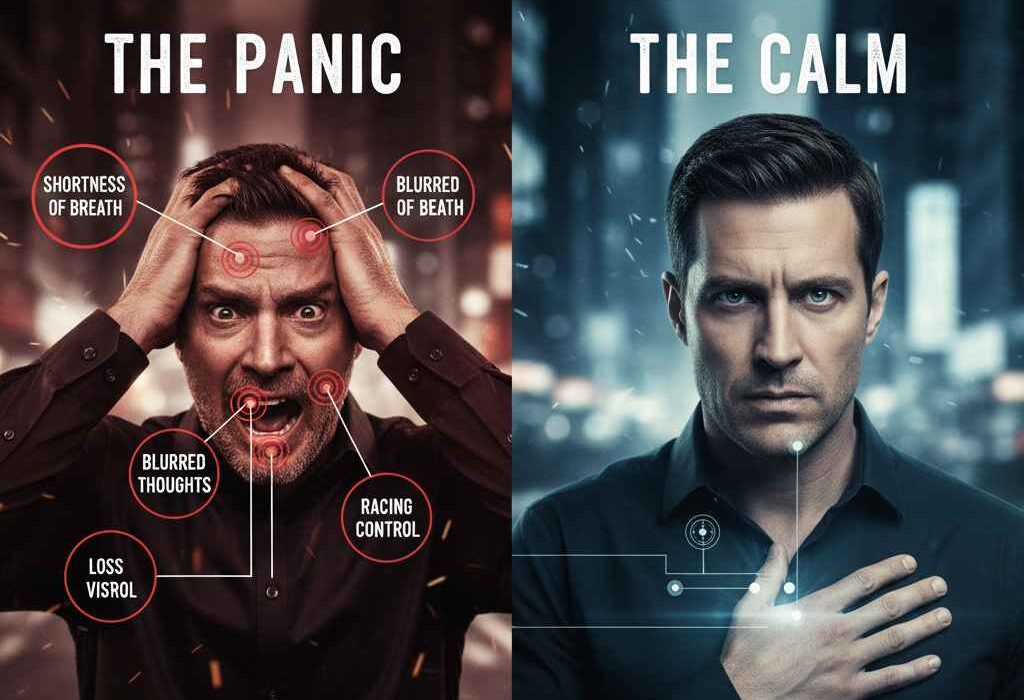
In survival or tactical situations, panic is often more dangerous than the threat itself. The body’s fight-or-flight response floods you with adrenaline, speeding up your heartbeat, narrowing your vision, and clouding your judgment. While this reaction is natural, it can lead to reckless choices—or complete paralysis. The ability to control panic is what separates those who survive from those who don’t.
Why Panic Is Deadly
Panic robs you of clear thinking. In a fire, it can make someone run the wrong way. In combat, it can cause hesitation that proves fatal. In the wilderness, it can lead to wasted energy and poor decisions, like abandoning gear or running blindly. The first step in overcoming panic is recognizing its physical symptoms: shallow breathing, racing thoughts, trembling, or tunnel vision. Once you know the signs, you can interrupt the spiral before it takes over.
Mental Tricks to Regain Control
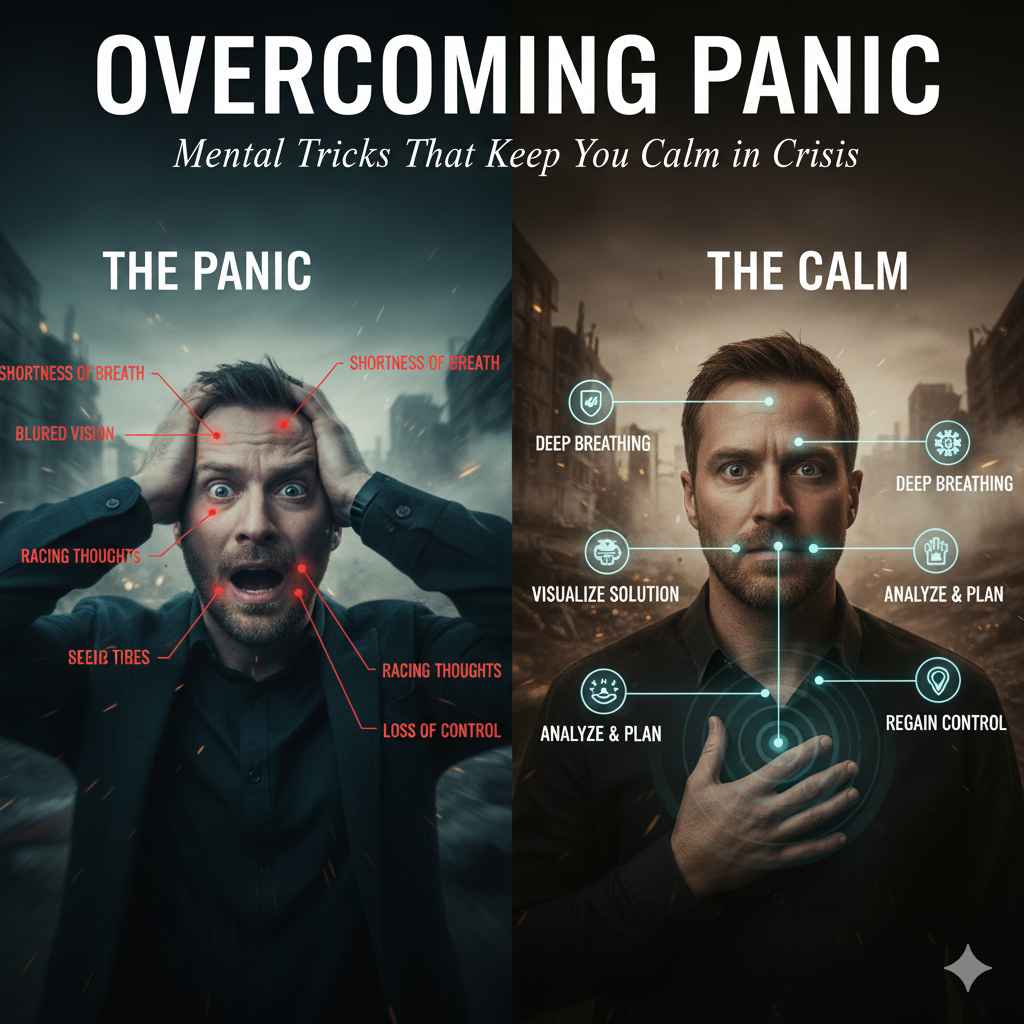
- Box Breathing – Inhale for four seconds, hold for four, exhale for four, hold for four. This simple rhythm lowers heart rate and restores focus.
- Grounding Techniques – Focus on your immediate senses: name five things you see, four you touch, three you hear, two you smell, one you taste. This pulls your mind out of panic and back into the present.
- Positive Self-Talk – Replace “I can’t do this” with “I’ve trained for this” or “One step at a time.” Your brain listens to your words—feed it control, not chaos.
- Micro-Goals – Break overwhelming challenges into small steps. Instead of thinking, I have to survive the night, tell yourself, I just need to build a shelter before dark.
- Visualization – Picture yourself executing a calm, successful response. Athletes and soldiers use this technique to build mental pathways that replace panic with practiced action.
Building Mental Resilience Before Crisis
Staying calm under stress isn’t luck—it’s trainable. Exposure to discomfort in controlled settings, like cold water, endurance workouts, or timed challenges, teaches your brain that stress isn’t always danger. Practicing breathing drills, meditation, or even role-playing survival scenarios conditions your mind to respond with calm instead of chaos.
Final Thought: Panic is natural, but not inevitable. With the right tricks and mental conditioning, you can turn fear into focus. In a true crisis, calm isn’t just a comfort—it’s your lifeline.