
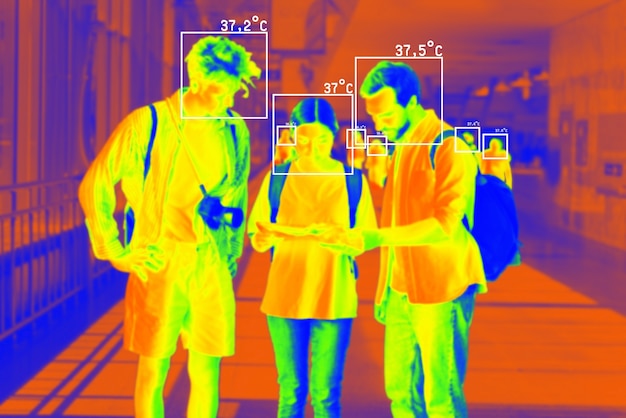
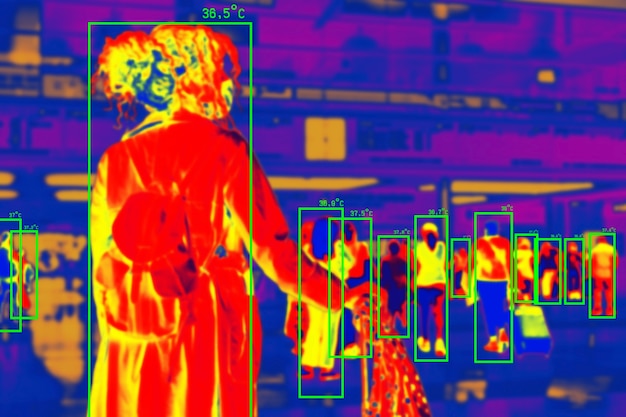
In an age of advanced surveillance, thermal imaging has become a key tool for everyone from law enforcement to search and rescue teams. Unlike night vision, which amplifies ambient light, a thermal camera creates an image by detecting heat signatures. This means a warm-blooded person stands out sharply against a cooler background, making them visible even in complete darkness. However, you don’t need expensive, high-tech gear to manage your heat signature. A basic understanding of physics and a few simple techniques can help you stay under the radar.
The Fundamentals of Thermal Signatures
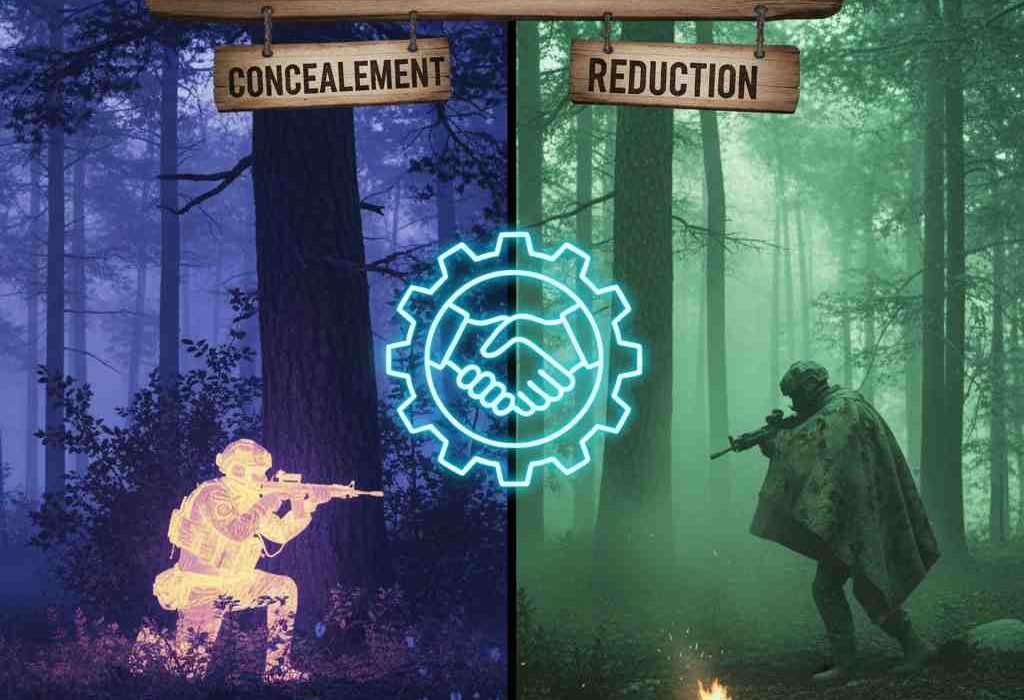
Your body is constantly radiating heat. This is a process of thermal radiation, and a thermal camera sees this energy in the infrared spectrum. The brighter or “hotter” a spot appears on the screen, the more heat it’s emitting. The goal of low-tech thermal awareness is to reduce this contrast, making you blend in with the ambient temperature of your surroundings.
Low-Tech Methods for Managing Heat
These strategies focus on manipulating the three main ways heat is transferred: conduction (direct contact), convection (air or fluid movement), and radiation (emitted energy).
- Insulation is Your Friend: The most effective method is to create a physical barrier between your body and the outside world.
- Layered Clothing: Wearing multiple layers of clothing, especially those made of materials with low thermal conductivity like wool, can trap your body heat. This prevents the heat from radiating away from your body and creating a clear signature.
- Space Blankets: An emergency thermal blanket, made of Mylar, is an incredibly effective and low-cost solution. It’s designed to reflect your body’s heat back towards you, making you virtually invisible to a thermal camera for short periods. However, be aware that your body heat will eventually warm the blanket itself, so this is a temporary solution.
- Use the Environment to Your Advantage: The natural world is full of thermal camouflage.
- Barriers: Solid objects like a brick wall, thick concrete, or even dense vegetation can effectively block thermal signatures. Remember, a thermal camera can’t see through a wall, it can only see the heat being transferred to its surface.
- Background Blending: Position yourself near heat sources that match your body temperature. For example, lying on sun-warmed rocks or sitting next to a warm engine can help you blend into the thermal background, making it difficult for a camera to distinguish you.
- Water: Water is an excellent thermal barrier. Submerging yourself in a body of water or even using wet soil or mud can help absorb and dissipate your body heat.
- Control Your Movement and Position: How you move can be just as important as what you wear.
- Slow Down: Movement generates heat. If you need to stay undetected, move slowly and deliberately to avoid increasing your core temperature and creating a more obvious heat signature.
- Stay Low and Still: Remaining stationary and low to the ground reduces the amount of your body exposed to a thermal camera. A crouching or prone position is much harder to spot than a person standing upright.
By understanding these basic principles and using common, accessible materials, you can significantly reduce your heat signature and increase your chances of staying undetected in a low-tech environment.