
In the field, gear can fail, supplies can run low, and ideal equipment isn’t always available. That’s when improvisation becomes a vital skill. Improvised tactical gear isn’t a permanent replacement — it’s a way to maintain functionality, safety, and readiness until proper gear is accessible. The key is knowing how to use everyday materials effectively while keeping risks minimal.
Mindset Matters
Before grabbing random items, set the priorities: purpose, practicality, and safety. Every improvised item should serve a clear role: carrying essentials, protecting gear, signaling teammates, or making temporary repairs. Keep fixes temporary, lightweight, and reversible so you can restore or replace them later. Improvisation isn’t about doing the impossible — it’s about staying effective under constraints.
A calm, resourceful mindset also helps reduce mistakes under pressure. Don’t overcomplicate — often the simplest solution works best.
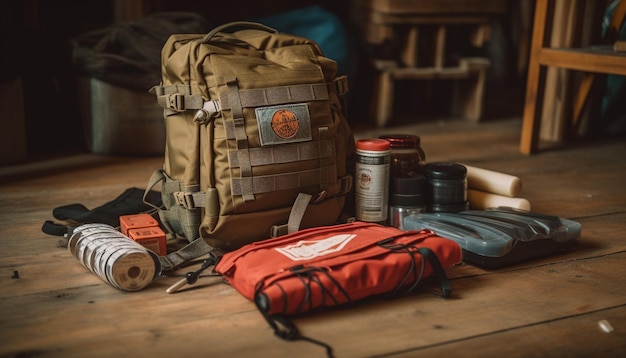
Materials That Work
Even simple, common items can become lifesaving tools in tactical situations:
- Paracord & cordage: Secure gear, create retention loops, lash items together, or even fashion a makeshift sling.
- Duct tape & zip ties: Quick fixes for torn pouches, broken straps, or minor equipment damage.
- Plastic bottles & containers: Waterproof storage for electronics, documents, or small essentials.
- Clothing/fabric scraps: Padding, insulation, or temporary pouches. They can also double as tourniquets or bandages in emergencies.
- Carabiners & hardware: Makeshift attachment points for gear or fast-access loops.
A small “improv kit” with these basics ensures you can respond quickly without improvising blindly. Even a single roll of tape and a few meters of cord can solve multiple problems.
Practical Applications
Improvised gear can be applied in several ways:
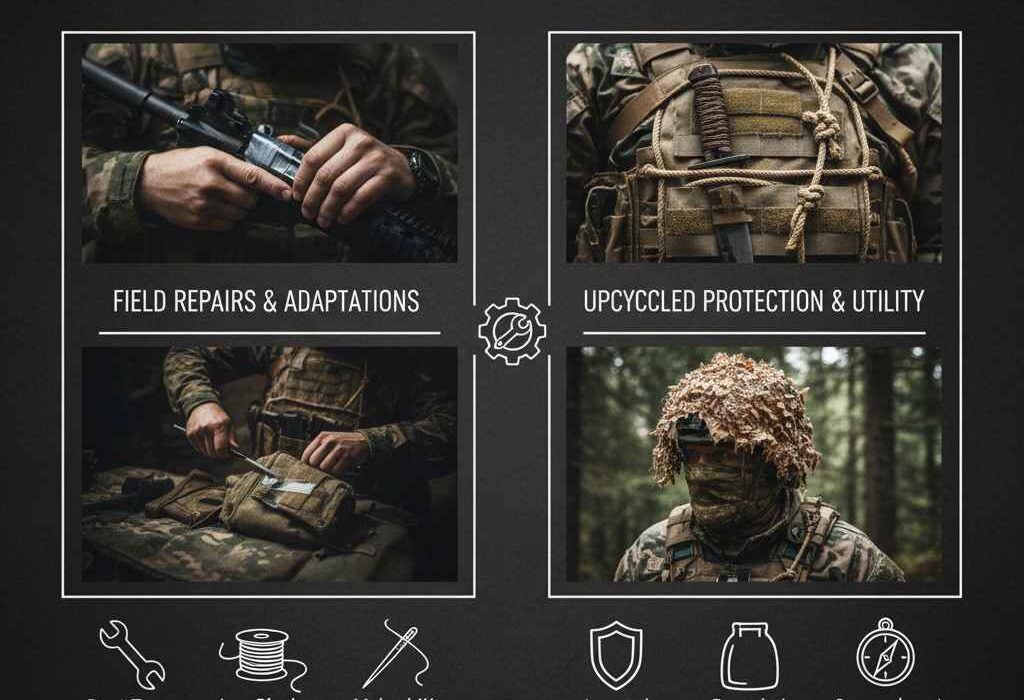
- Carry & retention: Transform a piece of fabric into a pouch or secure tools with paracord loops. Small items like knives, flashlights, or radios can be kept close and accessible.
- Protection & comfort: Clothing layers or fabric scraps can pad straps, protect delicate gear, or serve as insulation. Socks, gloves, or rolled clothing can also stabilize fragile equipment.
- Temporary repairs: Tape and cordage can fix torn pouches, mend straps, or stabilize broken equipment until proper repairs are possible. Even a snapped zipper can be replaced with a quick clip-and-tape solution.
- Signaling & camouflage: Mirrors, shiny surfaces, or fabric strips can create emergency signals or help break up outlines in low-light situations. Improvised smoke signals using damp cloth or vegetation can also be used safely in certain environments.
- Resourcefulness in survival: Improvised gear isn’t only for carrying or protection — it can help with shelter, water collection, and basic tools. For instance, plastic bottles can be cut into scoops or funnels, paracord can create shelter ridgelines, and duct tape can waterproof containers.
By thinking creatively, even ordinary items can enhance your field capability without requiring expensive or specialized equipment.
Safety and Limitations
Improvised gear is always temporary. Avoid using anything unsafe or illegal, and never improvise in a way that risks yourself or others. Consider:
- Weight: Don’t overburden yourself with makeshift solutions.
- Functionality: Only create items that truly serve a purpose in the moment.
- Safety: Never use improvised materials for weapons or hazardous tools unless trained and legally allowed.
Improvisation is about filling gaps until proper gear is available, not replacing training or planning.
Training & Preparation
The best improvised solutions come from practice and planning:
- Simulate low-resource scenarios safely in training exercises to see what works.
- Familiarize yourself with your own gear so you know which items can be adapted in a pinch.
- Maintain a mini improv kit in your backpack with cordage, tape, and small hardware.
Even a small amount of prep makes improvisation faster, safer, and more effective when it counts.
Bottom Line
Improvised tactical gear is about creative problem-solving under pressure. With a few everyday materials, thoughtful planning, and attention to safety, you can maintain mobility, protect essential items, and keep your team mission-ready — even when supplies run out. The most important rule: improvisation supports you until you can restore proper gear, not replace training or planning.
By mastering the mindset, knowing your materials, and practicing improvisation safely, you turn scarcity into capability, staying effective in situations where others might struggle.