
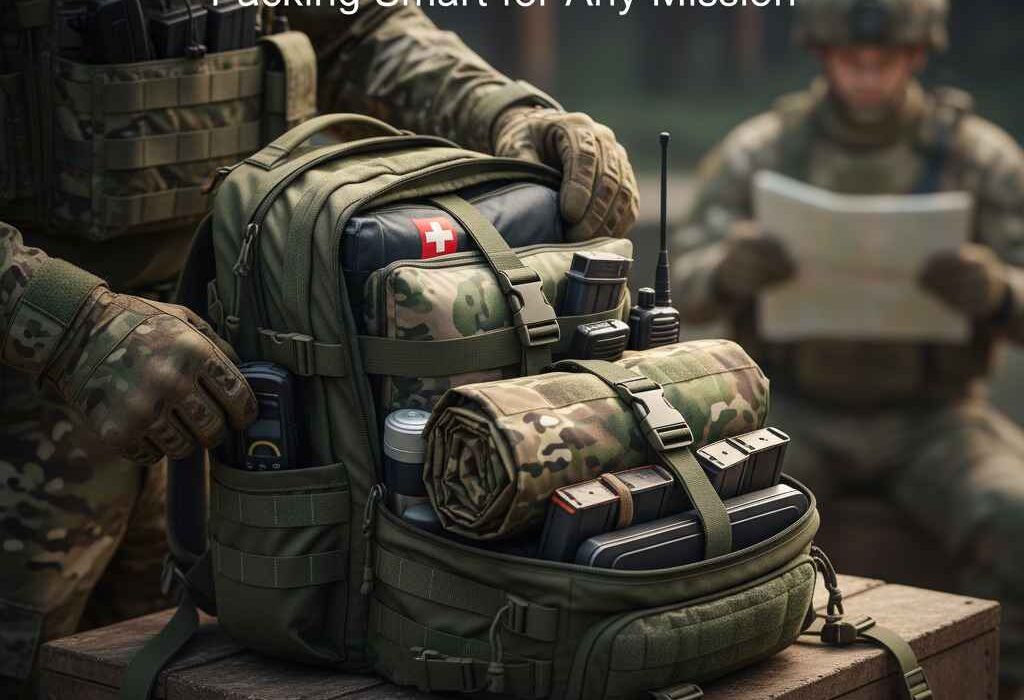
Whether you’re heading into the field, navigating an urban environment, or preparing for emergency situations, the right tactical backpack can make or break your mission. It’s not just about carrying gear—it’s about packing smart, staying organized, and having what you need exactly when you need it.
Why Tactical Backpacks Matter
A tactical backpack isn’t your average school bag or hiking pack. It’s designed for durability, versatility, and quick access in high-stakes situations. Small teams, security professionals, and outdoor enthusiasts rely on these packs because they:
- Keep essential tools organized and accessible
- Allow hands-free mobility while staying balanced
- Protect sensitive gear from weather and wear
Packing smart ensures you’re prepared for any scenario without being weighed down by unnecessary items.
Key Features to Look For
When choosing a tactical backpack, consider these essential features:

- Durability & Material
- Look for water-resistant, tear-resistant fabrics like 600D–1000D nylon.
- Reinforced stitching and quality zippers prevent failures in the field.
- Modular Design
- MOLLE (Modular Lightweight Load-carrying Equipment) systems let you attach pouches, tools, and accessories where you need them.
- Compartments and dividers help keep gear organized and prevent digging through the bag in critical moments.
- Comfort & Fit
- Adjustable straps, padded back panels, and chest or waist belts reduce fatigue on long missions.
- Ventilated designs prevent overheating during high-intensity operations.
- Capacity & Size
- For day missions, 20–30 liters may be enough.
- Multi-day missions require 40–60 liters, with space for water, food, and survival gear.
- Quick Access & Security
- Multiple compartments, side zippers, and hidden pockets allow for rapid access and secure storage.
- Some backpacks even offer RFID-blocking compartments for electronics and sensitive documents.
Packing Smart: What to Bring
Smart packing is about balancing preparedness with mobility. Here’s a practical guide for small teams or individual operators:
1. Essentials First
- Water: Hydration bladder or bottles
- Food: Energy bars or lightweight, high-calorie meals
- Navigation: Map, compass, or GPS
2. Tactical Gear
- Multi-tool or knife
- Flashlight or headlamp
- First-aid kit tailored to mission needs
3. Communication Devices
- Encrypted radios or low-profile comms
- Spare batteries or power banks
4. Protective Gear
- Gloves, eye protection, or ballistic inserts if mission-critical
- Weather-appropriate clothing layers
5. Miscellaneous but Crucial Items
- Notebook and pen for field notes
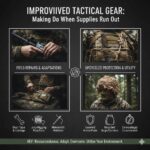
- Repair kits for gear or clothing
- Personal items like ID, money, or medication
Packing Techniques for Efficiency
- Use Pouches & Dividers: Keep like items together. First aid, navigation, and communication gear should each have dedicated spots.
- Heavy Items Close to Your Back: This maintains balance and reduces strain.
- Roll Clothing or Compress Gear: Saves space and keeps items organized.
- Accessibility Matters: Frequently used items should be in outer pockets or top compartments.
Conclusion: A Tactical Backpack Is More Than Storage
A tactical backpack is a force multiplier for small teams or solo operators. It ensures you’re prepared, organized, and mobile, turning what could be a chaotic mission into a controlled operation. By choosing the right pack, packing smart, and practicing with it regularly, you can respond faster, carry less, and stay mission-ready no matter the scenario.