
When an injury happens in a dangerous or chaotic environment, every second matters. “Tactical first aid” focuses on the highest-impact actions you can take immediately: stop massive bleeding, ensure the person can breathe, support breathing, prevent shock, and keep them warm. These steps give the casualty the best chance until professional help arrives.
The MARCH priorities (what to do, in order)
- M = Massive hemorrhage — stop life-threatening bleeding first.
- A = Airway — make sure the airway is open so the person can breathe.
- R = Respiration — address chest injuries that block breathing.
- C = Circulation — treat for shock and reassess bleeding.
- H = Head / Hypothermia — protect the brain and prevent heat loss.
Before you act — scene safety
Make sure it’s safe to approach. Don’t rush into an active danger zone. If the scene is unsafe, call for help and coordinate a safer approach.
M — Massive hemorrhage (what kills fastest)
Stopping major bleeding is the top priority.
Fast actions (first 60 seconds):
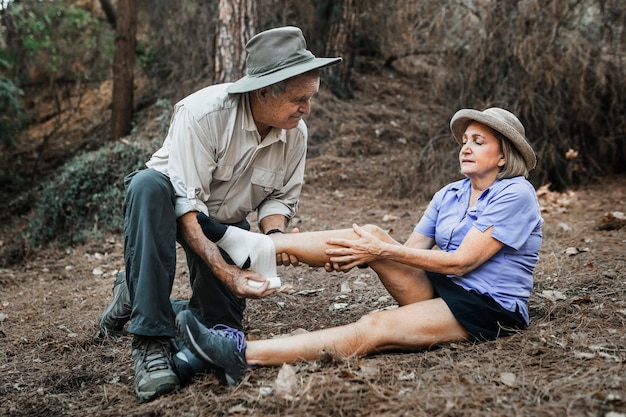
- Expose the wound so you can see it.
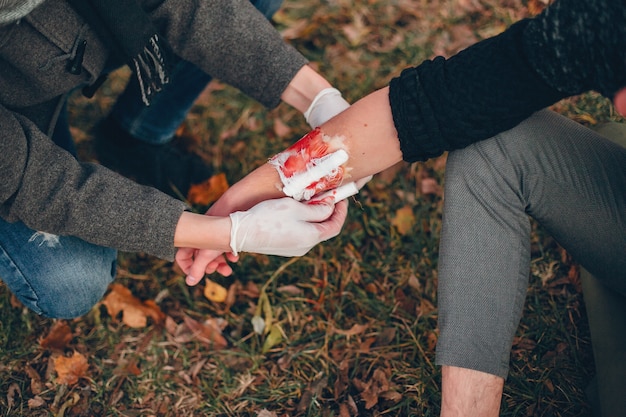
- Apply firm, continuous direct pressure with a gloved hand or a clean cloth — hold until bleeding slows or stops.
- If direct pressure fails for a severe limb bleed (or it’s an amputation), apply a tourniquet high and tight (2–3 inches above the wound and not over a joint). Tighten until the bleeding stops and note the time you applied it. Use a commercial tourniquet if available.
- For junctional wounds where a tourniquet won’t work, pack the wound with gauze and apply direct pressure. If you’ve trained with hemostatic dressings, use them per your training.
Why: A major arterial bleed can kill in minutes. Stopping hemorrhage quickly saves lives.
A — Airway
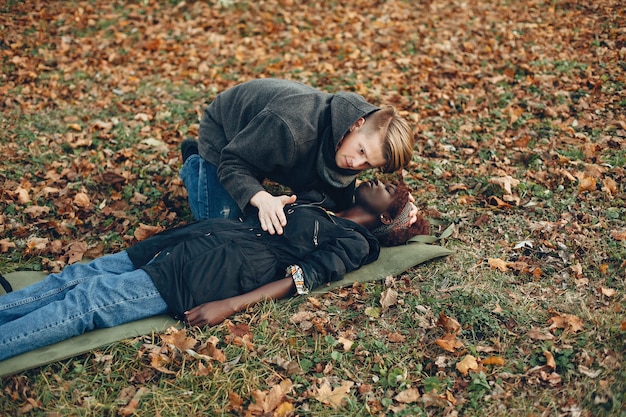
If the casualty is unresponsive or has altered consciousness, check breathing.
What to do:
- If they are unconscious but breathing, place them in the recovery (side-lying) position to keep the airway clear of vomit.
- If they are not breathing and you are trained, start CPR immediately. High-quality chest compressions at the recommended rate and depth are critical until help arrives or an AED is available.
Do not attempt advanced airway procedures unless you are trained and authorized.
R — Respiration
Look for chest injuries that can prevent breathing.
Practical steps for a trained bystander:
- Inspect the chest for penetrating wounds, heavy bruising, or signs of respiratory distress.
- If there is a sucking chest wound, apply an occlusive dressing (commercial chest seal or improvised plastic and tape) to reduce air entering the chest cavity.
- Monitor for signs of worsening — increasing difficulty breathing or shifting mental status — and be ready to update responders.
Advanced procedures (like needle decompression) are for trained clinicians only.
C — Circulation & Shock
After major bleeding is addressed and airway/ breathing are managed, focus on circulation and shock prevention.
Steps:
- Keep the casualty warm with blankets or clothing; hypothermia worsens bleeding and shock.
- If no spinal injury is suspected, lay them flat to help circulation.
- Monitor consciousness, breathing, and bleeding, and be prepared to reapply pressure or tighten a tourniquet if needed.
H — Head injuries & Hypothermia
- Protect the head and spine if a head injury is suspected, but avoid unnecessary movement.
- Remove wet clothing and insulate the person with blankets or an emergency (foil) blanket to prevent heat loss.
Recommended basic trauma kit (IFAK)
For responsible civilians who want to prepare, a compact kit focused on life threats is ideal:
- Commercial tourniquet
- Compressive gauze and/or hemostatic dressing (use only if trained)
- Chest seal or large occlusive dressing
- Nitrile gloves, trauma shears, and tape
- Emergency blanket and basic bandages
- CPR face shield or mask
Remember: gear helps, but training makes it effective.
Call for help — ASAP
Even if you’ve controlled the bleeding or stabilized the person, call emergency services immediately (or have someone else call). Tell dispatch your exact location, number of injured, nature of injuries, and any hazards on scene.
Training to get (highly recommended)
- Bleeding control / Stop the Bleed — teaches direct pressure, packing, and tourniquet use.
- Basic First Aid & CPR — learn high-quality compressions, recovery position, and AED use.
- Trauma/TECC courses — for civilians wanting deeper trauma skills and scene safety principles.
Practice regularly; hands-on training and drills beat reading alone.
Quick 60-Second Action Plan
- Ensure the scene is safe; call or have someone call EMS.
- Expose the wound and apply firm direct pressure.
- If pressure fails on a major limb bleed — apply a tourniquet high and tight; note the time.
- Check airway & breathing — place a breathing but unconscious person in recovery; start CPR if not breathing.
- Seal sucking chest wounds with an occlusive dressing if needed; monitor closely.
- Prevent shock — keep warm, lie flat if safe, and continuously monitor.
Legal & safety reminders
- Only perform procedures you are trained to do. Don’t attempt invasive medical interventions beyond your scope.
- Document what you did (times, actions) for responders and legal clarity.
- If the injury is related to a violent event, cooperate with authorities after ensuring safety.
Final thought
Tactical first aid is about prioritizing the interventions that save the most lives: stop major bleeding, secure the airway, support breathing, prevent shock, and keep the casualty warm. Get trained, build a small kit, practice the basics, and you’ll be ready to make a real difference when seconds count.