
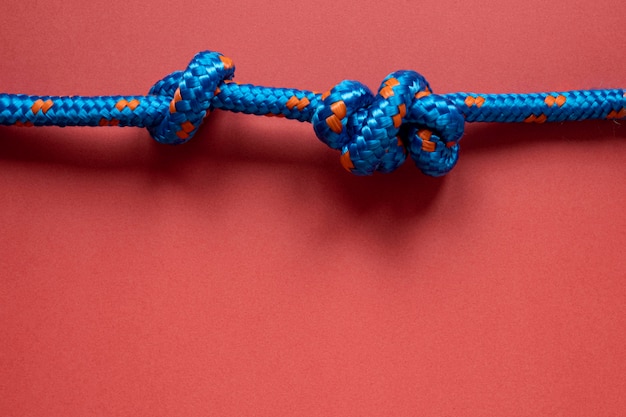
A good knot is silent, strong, and repeatable under pressure. For survivalists and tactical folks, certain knots keep you fed, sheltered, and mobile — without drama. Below are the must-know tactical knots, why they matter, and how to practice them so they become automatic when it counts.
Quick gear note — pick the right cord
- Paracord (550): Lightweight, versatile — great for traps, shelter, lashings.
- Static cord / utility rope (6–10 mm): Stronger for load-bearing tasks (anchoring, hauling).
- Natural cordage (rawhide, vines): Useable in a pinch but less reliable.
- Tip: Always check rope condition (no frays/rotting). Replace compromised cord.
1. Bowline — The Go-To Rescue Loop
Why it matters: Creates a secure, non-jamming loop that won’t slip under load; easy to untie after heavy use.
Common uses: Anchor loop, lowering/lifting small loads, improvised harness.
Practice: Tie it until you can form the loop and dress it neatly in <30 seconds.
2. Figure-Eight Knot (and Figure-Eight Follow-Through) — Simple & Strong
Why it matters: Extremely reliable; easy to visually inspect.
Common uses: Stopping knot, tying into anchors, initial loop for ropes.
Practice: Tie a clean figure-eight and follow it through an object (or around a loop) for security.
3. Trucker’s Hitch — The Tension King
Why it matters: Gives mechanical advantage to tighten loads like tarps, stretchers, or gear.
Common uses: Securing shelters, compressing packs, creating taut lines.
Practice: Drill the pulley loop and finishing hitch until you can tension & lock without fumbling.
4. Clove Hitch — Fast & Adjustable Anchor
Why it matters: Quick to set and readjust; great for temporary fixes.
Common uses: Starting lashings, tying to poles or trees, securing guy lines before finishing with a stopper.
Caution: Can slip under intermittent loads — back it up with a half hitch or stopper knot.
5. Taut-Line Hitch — The Adjustable Tensioner
Why it matters: Creates an adjustable loop that grips under load — perfect for variable tension.
Common uses: Tent guy lines, clotheslines, adjustable guying for shelters.
Practice: Make it on different rope diameters to learn grip behavior.
6. Sheet Bend (and Double Sheet Bend) — Joining Unequal Ropes
Why it matters: Safely joins two ropes of different thicknesses. More secure than a square knot for unequal lines.
Common uses: Extending rope length, joining paracord to mainline.
Practice: Try single and double sheet bends and test by loading them.
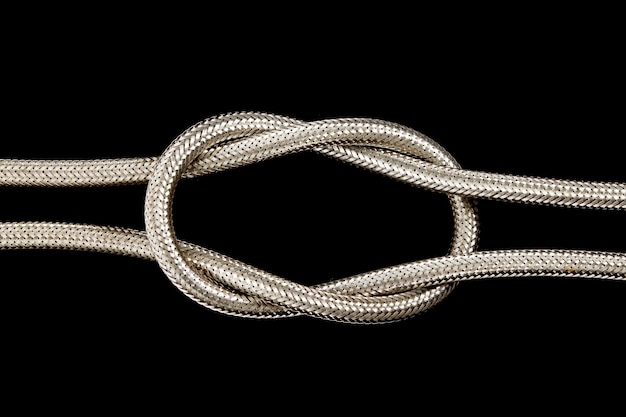
7. Reef Knot (Square Knot) — Quick Binding (But Know Its Limits)
Why it matters: Fast for joining similar ropes or tying bandages.
Common uses: First-aid bandages, simple bundles.
Warning: Not reliable for heavy or critical loads — don’t use where lives or major loads are involved.
8. Constrictor or Slip Knot Variants — Fast & Tight
Why it matters: Extremely tight binding for wrapping and lashing; some versions are hard to untie after heavy strain.
Common uses: Securing bundles, snares/traps (ethically/legally — only in survival contexts).
Caution: Because they can jam, use them appropriately and avoid in rescue situations where quick release is needed.
9. Prusik (Friction Hitch) — Backup & Rope Mobility
Why it matters: A friction hitch that slides when unloaded but locks under load. Great for backups.
Common uses: Self-rescue, ascending a rope, backup belay on improvised systems.
Practice: Learn how it grips different rope diameters — it’s gear-sensitive.
Safety Rules & Best Practices
- Inspect rope before use. Any visible damage = replace.
- Dress your knots: Tighten neatly so they seat properly and don’t work loose.
- Know load limits: Paracord ≠ climbing rope. Don’t trust cordage for life-critical vertical rescues unless rated for it.
- Always back up slip-prone knots (e.g., use a half-hitch or stopper).
- Practice dry first, then with weight in a safe environment (no improvising on cliffs or high places without training).
- Label & color-code cords in your kit so you know what’s rated for what.
Quick practice drills (make the knots second-nature)
- Daily 5-minute loop: Tie a bowline, figure-eight, and clove hitch every morning.
- Load test: Secure a pack with a trucker’s hitch and hang 10–15 kg to feel behavior.
- Blindfold drill: Tie a simple knot blindfolded to simulate low-visibility stress.
- Time challenge: Set a timer and hit clean tie times — accuracy beats speed; aim for both.
Practical survival uses (at-a-glance)
- Shelter: Trucker’s hitch + taut-line for tight tarps.
- Water/food: Sheet bend to extend fishing/snares lines (learn regulations!).
- First aid: Reef knot for simple bandaging; bowline to make a non-constricting loop.
- Hauling: Trucker’s hitch & figure-eight anchors to secure and lift gear.
- Emergency ropework: Prusik for friction backup (only with rated rope and training).
Final tips — kit & learning
- Carry a short roll of 550 paracord (10–30 m) and a 2–4 mm accessory cord for hitches.
- Include a small laminated knot cheat-sheet in your pack or phone (photo + names).
- Learn from videos and then practice hands-on; consider a basic ropework / wilderness skills course for vertical or rescue skills.